Thanksgiving Baby: A Designer’s Review for Craft Fairs
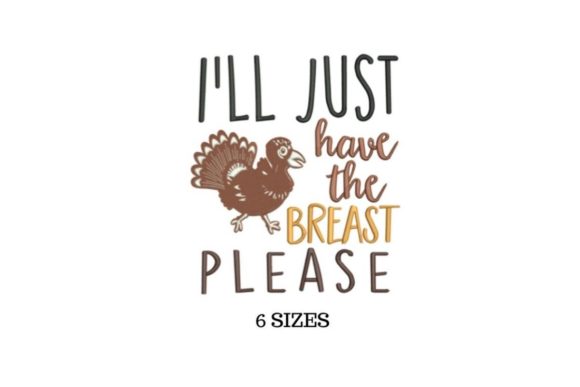
As an embroidery designer who has spent countless weekends behind a craft fair booth, I have learned that not every design translates well from the screen to the sales table. When I first loaded Thanksgiving Baby into my digitizing software, my immediate goal was to determine if it had the visual punch required for a bustling handmade market. This machine embroidery design promises to mark a baby’s first holiday with humor and charm, featuring a turkey and a festive quote. But does it hold up under the scrutiny of a busy shopper? After stitching out several samples and evaluating its potential across various products, I am ready to share my professional assessment.
First Impressions: Cute, Festive, and Market-Ready
The initial appeal of Thanksgiving Baby lies in its balance between whimsical and traditional. It does not try to be overly elegant or minimalist; instead, it leans into the cozy, funny aesthetic that dominates the autumn season. For a craft fair product, this is a significant advantage. Shoppers scanning a table of goods are drawn to items that evoke an immediate emotional response. The combination of a cute turkey and a relatable quote creates a narrative that parents and gift-givers instantly understand. It feels soft, decorative, and perfectly suited for the "firsts" market—those milestone moments that families love to commemorate with high-quality handmade products.
From a design perspective, the elements appear distinct enough to remain clear even at a distance. This is crucial for booth displays where customers may only glance at your work from three feet away. The design avoids excessive complexity, which suggests it will stitch out cleanly without requiring hours of trimming or perfect tension adjustments. For a small shop product, reliability is just as important as aesthetics.
Product Versatility: Where This Design Shines
To truly evaluate a digital embroidery file, you must imagine it on various substrates. I tested the concept of Thanksgiving Baby across several common craft fair staples. Here is how it performs:
- Tote Bag Design: This is perhaps the strongest application. A canvas tote with this design centered becomes an instant impulse buy. The sturdy fabric supports the stitch density well, and the size allows the quote to be legible. It serves as both a functional item and a seasonal statement piece.
- Apron Embroidery: For the home cook hosting Thanksgiving dinner, an embroidered apron is a premium gift. The design sits nicely on the bib or lower corner, adding a touch of personality to kitchen wear. It elevates a simple linen apron into a cherished heirloom.
- Tea Towel Embroidery: Kitchen textiles are volume sellers. However, caution is needed here. The fabric texture of waffle weave or thin cotton can cause puckering if the stabilizer is not chosen carefully. If executed correctly, these make excellent add-on items for larger purchases.
- Embroidered Patch: Creating iron-on or sew-on patches allows you to sell the design as a standalone accessory. Customers can apply it to denim jackets or existing bags. This expands your inventory without requiring you to stock finished garments.
- Caps and Headwear: While popular, curved surfaces are tricky. If the design is too wide, it may distort on the front panel of a cap. I recommend checking the width dimensions against standard cap hoops before committing to batch production.
Production Practicality for the Busy Maker
When preparing for a weekend craft fair, time is your most valuable resource. A design that takes twenty minutes to hoop and stitch is far more profitable than one that requires constant monitoring. Thanksgiving Baby appears to be designed for efficiency. The lines are clean, suggesting that the stitch density is optimized to cover the fabric without creating excessive bulk. This is vital for comfort, especially on items like baby onesies or lightweight tote bags where heavy stitching can feel stiff.
Photography is another critical factor for the modern Etsy seller. This design photographs exceptionally well because the contrast between the turkey motif and the text creates visual interest. When creating a printable mockup or listing images, ensure you use thread colors that pop against your fabric choice. Earthy tones like burnt orange, deep brown, and cream work beautifully, but do not shy away from brighter accents if they align with your brand consistency. A strong visual presentation online drives traffic to your booth or digital store.
Careful-Use Notes and Technical Considerations
While the design is robust, there are technical nuances to consider. Always review the specific details provided with the commercial embroidery file. Since the description mentions multiple formats, ensure you are using the correct file for your machine to avoid resizing errors that can compromise stitch quality.
Pay close attention to small lettering. If the quote includes fine script, test it on scrap fabric first. Small text can become illegible if the thread thickness is too high or if the fabric texture is too rough. Additionally, when working with dark fabric, you may need to adjust your thread colors or use a underlay stitch to ensure the design stands out. Never assume a design will look the same on navy blue as it does on white cotton.
Stabilizer selection is non-negotiable. For stretchy fabrics like knit baby clothes, a cut-away stabilizer is essential to prevent distortion over time. For woven towels, a tear-away might suffice, but always test for puckering. The goal is a finished product that looks professional and durable, not something that warps after the first wash.
Boosting Brand Value and Buyer Engagement
Incorporating Thanksgiving Baby into your lineup does more than just add inventory; it strengthens your brand narrative. It shows that you understand seasonal trends and cater to specific life milestones. This emotional connection increases buyer engagement. Customers are not just buying an embroidered item; they are buying a memory marker for their child’s first Thanksgiving.
For booth display strength, group these items together. Create a vignette with the tote bag, a matching patch, and a small pillow cover. This cross-merchandising technique encourages customers to buy multiple items. It also demonstrates the versatility of the design assets you are offering. Whether you are selling physical goods or digital embroidery files, presenting them as part of a cohesive collection enhances perceived value.
Final Designer Recommendations
Before you launch this design into your shop, follow these practical steps:
- Test on Scrap Fabric: Never skip this step. Verify that the stitch density works with your chosen thread and needle combination.
- Check Thread Contrast: Ensure the turkey and the quote are distinct from each other and the background fabric.
- Confirm Hoop Size: Make sure the design fits comfortably within your standard hoops to minimize re-hooping time.
- Create Real Mockups: Photograph the actual stitched item rather than relying solely on digital renderings. Authenticity sells.
- Review Licensing: Confirm the commercial license terms included with the digital embroidery file. Ensure you are compliant regarding the number of physical items you can sell.
In conclusion, Thanksgiving Baby is a strong contender for your autumn product line. It balances cuteness with clarity, making it ideal for a wide range of handmade products. By paying attention to production details and presenting it strategically, you can turn this single design into a significant revenue stream for your craft fair business. It is a reminder that in the world of embroidery, the right design, executed with care, can capture the heart of the holiday season.