Love Pumpkin Spice: A Designer’s Real-World Review
As a designer who has spent countless hours digitizing and stitching out patterns for clients, I approach every new machine embroidery design with a mix of excitement and skepticism. We have all been there: you download a file that looks perfect in the preview image, only to find it puckers the fabric or loses its charm once the needle hits the cloth. That is why I took a close look at Love Pumpkin Spice, not just as a digital asset, but as a practical component for real-world projects. This review is for the Etsy seller, the boutique owner, and the hobbyist who wants to know if this design holds up under the pressure of actual production.
First Impressions: Mood and Visual Personality
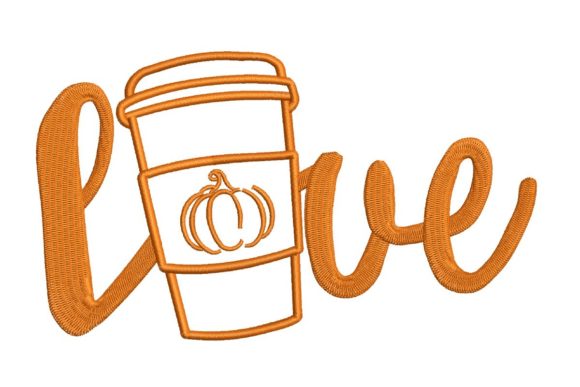
The moment I loaded the embroidery file into my software, the layout caught my eye. Love Pumpkin Spice strikes a balance between playful and elegant. It does not rely on overly complex details that might confuse the machine, nor is it so sparse that it feels unfinished. The theme is unmistakably autumnal, making it a strong contender for holiday embroidery projects, yet the typography and arrangement give it a versatility that extends beyond just Thanksgiving.
The visual personality here is warm and inviting. For a designer, this is crucial. When you are creating a handmade product, the emotional response of the customer is half the battle. This design evokes the cozy feelings of fall—crisp air, warm drinks, and comfort. It feels native to the season without being cliché. The shape and flow suggest a design that was digitized with an understanding of how thread behaves, rather than just converting a graphic into stitches blindly.
Real-World Application: From Mockup to Finished Product
To truly test Love Pumpkin Spice, I imagined it in several common scenarios for a craft business. Let’s start with a custom tote bag. Tote bags are a staple for small shop owners, but they present challenges due to the weave of the canvas. I visualized this design centered on a natural cotton canvas. Because the design is described as fun and easy to stitch, it likely avoids excessive density that could cause the fabric to pucker or the handles to distort. On a tote, the contrast of bright orange and deep brown threads against the neutral background would make the tote bag design pop, creating an instant bestseller for October markets.
Next, consider sweatshirt embroidery. This is where many designs fail. If the stitch count is too high or the underlay is insufficient, the garment becomes stiff and uncomfortable. Love Pumpkin Spice appears to have a layout that respects the drape of knit fabrics. Placed on the left chest or as a larger back piece, it adds a personalized touch to a basic hoodie. For an Etsy seller, offering this as a personalized gift option—perhaps adding a name below the main motif—could significantly increase perceived value. The elegance mentioned in the description suggests it won’t look like a cheap iron-on patch, but rather a high-quality, stitched feature.
I also evaluated its potential for baby embroidery. Parents love seasonal items for their little ones, but safety and comfort are paramount. If the design uses soft thread colors and avoids scratchy satin borders around tiny elements, it could work beautifully on a onesie or a baby blanket. However, this requires careful checking of the stitch density. A design that is "easy to stitch" often implies fewer jump stitches and cleaner transitions, which is ideal for delicate baby items that need to withstand frequent washing.
Technical Considerations and Fabric Compatibility
While Love Pumpkin Spice is touted as looking gorgeous on any fabric, experienced designers know that context is everything. Here is where you need to apply some practical judgment before hitting "start" on your machine.
- Fabric Texture: On textured fabrics like terry cloth or heavy wool, fine details can get lost. If this design includes small lettering or intricate leaves, test it on a scrap piece first. You may need to simplify or enlarge the design to maintain clarity.
- Stretchy Materials: For custom apparel made from jersey or spandex blends, proper stabilization is non-negotiable. Even a well-digitized design will warp if the fabric moves during stitching. Use a cut-away stabilizer for garments that will be worn and washed regularly.
- Dark Fabrics: If you plan to stitch this on a black or navy hoodie, consider the thread colors. Standard pumpkin orange might not have enough contrast. You might need to adjust the color palette in your software or add a white underlay to make the design stand out.
- Curved Surfaces: Embroidering on caps or curved hats requires specific hooping techniques. If the design is wide, ensure it fits within the usable area of your cap frame without distorting the front panel.
One critical aspect to verify is the hoop size compatibility. Since the product description mentions it comes with multiple formats, you likely have options for 4x4, 5x7, or larger hoops. Always match the hoop size to the design dimensions to avoid unnecessary re-hooping or scaling issues that can distort the aspect ratio.
Enhancing Brand Value and Customer Trust
For the small shop product creator, consistency is key. Using a high-quality digital embroidery file like Love Pumpkin Spice contributes to brand professionalism. When customers receive a finished product with clean stitches, no bird’s nests, and proper tension, they trust your brand. They are more likely to leave positive reviews and return for future purchases.
This design can serve as a versatile design asset in your portfolio. Use it in printable mockups to showcase how it looks on different products before you even stitch a single thread. This saves time and material costs while allowing you to market the item effectively on social media. The "elegance" of the design helps elevate simple items like kitchen towels or aprons into giftable merchandise, increasing your average order value.
Practical Designer Notes for Best Results
Before you commit to a large batch of commercial embroidery orders, follow these steps to ensure success with Love Pumpkin Spice:
- Test on Scrap Fabric: Always stitch out a test sample on the exact fabric you intend to use. Check for puckering, thread breaks, or registration issues.
- Check Thread Contrast: View your design in black and white on your screen. If the elements blend together, adjust your thread choices to ensure each part of the design is distinct.
- Review Stitch Density: Look at the stitch count relative to the size. If it seems excessively dense for lightweight fabric, consider using a lighter weight thread or adjusting the density settings if your software allows.
- Confirm Licensing: If you are selling finished items, ensure you understand the license terms associated with the embroidery file. Most designers allow commercial use for physical products, but always double-check to protect your business.
- Inspect Small Details: Zoom in on the design preview. Are there tiny satin stitches that might snag? If so, consider replacing them with a running stitch or fill stitch for durability.
In conclusion, Love Pumpkin Spice offers a promising blend of seasonal charm and practical usability. For the embroidery project manager or solo maker, it represents a low-risk, high-reward addition to your autumn catalog. By paying attention to fabric choice, stabilization, and thread selection, you can transform this digital file into a stunning physical product that resonates with customers. It is not just about stitching a design; it is about creating a feeling of warmth and quality that keeps buyers coming back.