Electric Guitars: A Designer’s Review for Craft Fairs
As an embroidery designer who has spent countless weekends behind a craft fair table, I know that the difference between a browsing customer and a buying customer often comes down to visual impact. When I first loaded the Electric Guitars machine embroidery design into my software, my immediate thought was about versatility. This isn’t just a niche item for musicians; it is a bold, graphic statement piece that taps into the universal language of rock and roll. For those of us running small shops or Etsy stores, finding designs that bridge the gap between hobbyist passion and commercial appeal is rare. This design feels like a winner because it balances cute aesthetics with a modern edge, making it perfect for a wide range of handmade products.
First Impressions and Visual Appeal
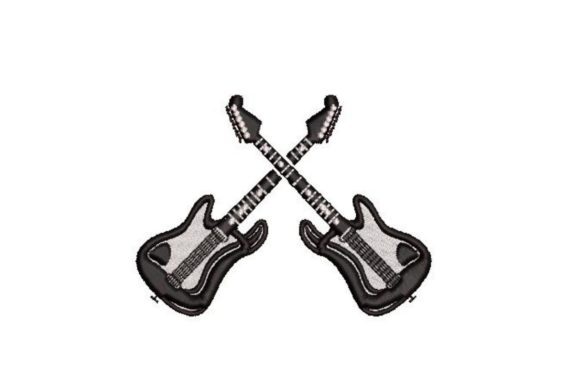
The first thing you notice about Electric Guitars is its clarity. In the world of Embroidery, complex details can often get lost, especially when viewed from a distance at a busy market. This design avoids that pitfall. It reads instantly as a guitar, which means it grabs attention within seconds. The style leans towards a cute, slightly stylized look rather than hyper-realism. This is a strategic advantage. A cartoonish or simplified aesthetic tends to perform better on soft goods like tote bags and apparel because it feels approachable and fun. It does not take itself too seriously, which aligns perfectly with the vibe of modern craft fairs where buyers are looking for unique, personality-driven items.
When considering the Music category, this design stands out because it is not cluttered. Many guitar-themed designs suffer from excessive shading or tiny text that becomes a mess of thread. Electric Guitars appears to rely on strong outlines and solid fills. This suggests that it will hold up well on various fabric textures, from smooth cotton to textured canvas. For a booth display, this visual punch is crucial. You need items that pop against the backdrop of a crowded tent, and a bold guitar silhouette does exactly that.
Product Applications for Maximum Sales
To truly evaluate a digital embroidery file, you must imagine it on actual products. I mentally placed Electric Guitars on several standard craft fair items to see where it shines. Here is how it performs across different categories:
- Tote Bags: This is arguably the best application. A large tote bag design featuring Electric Guitars creates an instant conversation starter. Music lovers love to signal their interests, and a sturdy canvas bag with this embroidery becomes a daily use item. It transforms a generic bag into a statement accessory.
- Aprons: An apron embroidery project using this design targets a specific demographic: the home cook who rocks out in the kitchen. It adds a playful touch to a utilitarian item, increasing its perceived value as a gift.
- Tea Towels: For tea towel embroidery, scale is everything. If the design is too large, it overwhelms the narrow fabric. However, if scaled correctly, it makes for a charming set. Just be mindful of the fabric texture; waffle weave towels can distort small stitches, so a simpler version of the design works best here.
- Embroidered Patches: Patches are high-margin craft fair products. Because Electric Guitars has defined edges, it would translate beautifully into an iron-on or sew-on patch. These are easy to batch produce and sell as add-ons to increase average order value.
- Caps and Hats: Curved surfaces are tricky. If the design is wide, it may distort on a standard cap. However, if you have a smaller version or can rotate the design vertically, it could work on the side panel of a trucker hat. Always test on scrap fabric first to check for puckering.
Production Practicality and Stitch Quality
From a production standpoint, time is money. When preparing for a weekend market, I need designs that are reliable. The description notes that this machine embroidery design comes with multiple file formats, which is essential for compatibility with different machines. However, before committing to a large batch, you must investigate the technical specs. Since the exact stitch count and hoop size are not explicitly detailed in the short description, you must open the file in your software to verify these details.
Check the stitch density. If the body of the guitar is too dense, it can cause the fabric to pucker, especially on lighter materials like t-shirts or tea towels. On the other hand, if it is too sparse, the underlying fabric might show through, ruining the professional look. I recommend running a test stitch-out on the same type of fabric you plan to sell. Pay close attention to the thread colors. High contrast is key. A black guitar on a navy bag might disappear, whereas a bright red or white thread would make the Electric Guitars motif pop.
Another critical factor is the stabilizer. For items like tote bags and patches, a cut-away stabilizer provides the necessary support to keep the design flat and durable through washes. For caps, you will need a stiff backing. Never skip this step, as poor stabilization is the number one reason handmade products look amateurish.
Marketing and Online Presence
For Etsy sellers and digital creators, the visual appeal of Electric Guitars extends beyond the physical product. It photographs well. Clean lines and bold shapes create crisp images that look great in thumbnails. When creating your printable mockup or listing photos, ensure the lighting highlights the texture of the threads. Buyers of handmade products want to see the quality of the stitch work.
This design also serves as excellent content for social media. A time-lapse video of the guitar being embroidered is satisfying to watch and can drive engagement. Use hashtags related to music lovers, rock and roll fashion, and handmade gifts to reach your target audience. Remember, you are not just selling an embroidered item; you are selling a piece of identity for the buyer.
Designer Notes for Best Results
To ensure your finished product meets professional standards, follow these practical steps before listing Electric Guitars in your shop:
- Verify Licensing: Confirm that the license allows for commercial embroidery. Most designers allow finished product sales, but some restrict digital redistribution. Always read the terms.
- Test on Dark Fabrics: If you plan to offer this on black or dark blue items, ensure the design includes underlay stitches that prevent the background color from bleeding through the top stitches.
- Check Small Details: Zoom in on the tuning pegs and strings. If they are too thin, they may break during washing or wear. Consider simplifying these areas if they prove fragile in testing.
- Create Variety: Offer the design in different thread color combinations. A vintage sunburst look, a classic black, and a vibrant neon option can appeal to different tastes.
- Bundle Items: Create a "Rock Star Kit" with a tote bag and a matching patch. Bundling increases perceived value and helps move inventory faster at craft fairs.
In conclusion, Electric Guitars is a strong contender for any embroidery business looking to expand into the music and lifestyle niche. Its bold, cute aesthetic translates well across various small shop products, from aprons to patches. By paying attention to stitch density, fabric choice, and presentation, you can turn this design asset into a consistent seller. Whether you are a seasoned Etsy seller or a new craft fair vendor, this design offers the flexibility and visual impact needed to stand out in a crowded market. Just remember to test, stabilize, and photograph with care to showcase the true quality of your handmade work.