Float Tube: A Designer’s Review for Craft Fairs
As an embroidery designer who has spent countless weekends behind a booth table, I know that the difference between a browser and a buyer often comes down to visual impact and relatability. When I first loaded the Float Tube machine embroidery design into my software, my immediate thought was about the niche audience it targets. This is not a generic floral motif; it is a lifestyle statement. For those of us selling handmade products, finding designs that speak directly to a passionate community is gold. The description notes that this design is perfect for those who practice this sport and want to enjoy nature at its best. That specific targeting is exactly what helps a small shop product stand out in a saturated market.
First Impressions and Visual Appeal
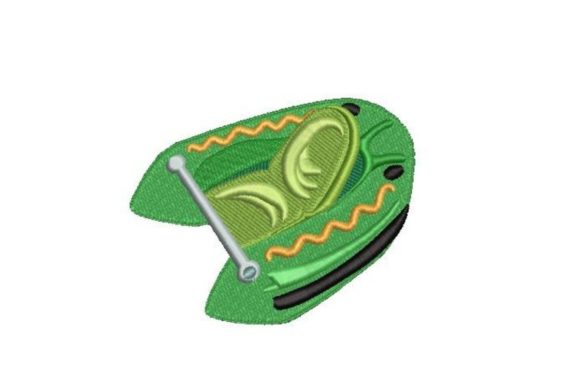
The initial vibe of Float Tube feels rugged yet leisurely. It captures the essence of slow outdoor living. In a craft fair setting, where customers are scanning tables quickly, a design needs to communicate its theme instantly. This embroidery file succeeds because the subject matter is unmistakable. It does not require explanation. Whether you are an Etsy seller creating digital listings or a boutique maker preparing physical samples, the clarity of the image is crucial. It feels modern and active, appealing to the growing demographic of outdoor enthusiasts who also appreciate handmade quality. It is not overly ornate or fragile; it has a sturdy, confident presence that suggests durability, which aligns perfectly with the camping and outdoor gear aesthetic.
Strategic Product Placement for Maximum Sales
Choosing the right substrate is half the battle in commercial embroidery. Based on the description suggesting you sew it on your equipment or travel bags, I evaluated Float Tube across several potential craft fair products. Here is where I believe this design shines:
- Tote Bags and Market Bags: A canvas tote is the ideal canvas for this design. The flat surface allows the stitch density to lay evenly, and the utility of a bag matches the utility of float tube gear. As a tote bag design, it serves as both a functional item and a badge of identity for the owner.
- Embroidered Patches: If the design scales well, turning it into an embroidered patch is a brilliant move. Patches are low-commitment purchases for customers. They can be ironed onto existing jackets, backpacks, or hats. This expands your customer base to those who already own the gear but want to customize it.
- Travel Bags and Duffels: The description explicitly mentions travel bags. Heavy-duty nylon or canvas duffels are high-ticket items. Adding Float Tube as a focal point increases the perceived value of the finished product, allowing you to charge a premium for the customization.
- Caps and Hats: While popular, caps require caution. The curved surface can distort intricate details. If you choose this route, ensure the design is centered and not too wide, so it does not wrap awkwardly around the crown.
I would hesitate to use this on delicate tea towel embroidery unless the design is significantly scaled down and simplified. The rugged nature of the sport might clash with the softness of a kitchen textile, unless you are targeting a very specific "glamping" aesthetic. Apron embroidery could work for a BBQ or outdoor cooking apron, bridging the gap between kitchen and campsite.
Production Practicality and Batch Efficiency
For any creative entrepreneur, time is money. When reviewing Float Tube for batch production, I look at stitch density and thread changes. A design that requires constant thread trimming or excessive stabilizer manipulation slows down production. While the exact stitch count is not provided in the brief, the concept suggests bold shapes rather than micro-details. This is advantageous. Bold designs generally run faster and are more forgiving on textured fabrics.
However, you must verify the hoop size requirements. If the design is large, you will need a larger hoop, which limits the types of machines you can use for mass production. Always check the digital embroidery file specifications before committing to a large inventory. If the design comes with multiple formats, ensure you have the correct one for your machine to avoid resizing issues that can compromise stitch quality.
Navigating Technical Challenges
Even the best design assets require technical diligence. Here are the careful-use notes I recommend for Float Tube:
- Fabric Texture and Stabilizer: Outdoor gear often uses thick, woven, or synthetic fabrics. These materials behave differently than cotton. You must test the design on scrap fabric that matches your final product. Use a cut-away stabilizer for stretchy materials like nylon travel bags to prevent puckering. For woven canvas, a tear-away might suffice, but always test first.
- Thread Contrast: Since this is an outdoor-themed design, earth tones or vibrant safety colors might be appropriate. However, ensure there is enough contrast between the thread colors and the fabric. A dark green thread on a black bag will disappear. Lighter threads on dark fabric can highlight the design effectively, but watch for shadowing if the stitch density is high.
- Small Details and Lettering: If Float Tube includes any text or small graphical elements, be wary of scaling it down for small pouches or patches. Tiny details can merge together when stitched out, losing clarity. If the design relies on fine lines, keep it at a larger size to maintain integrity.
- Curved Surfaces: As mentioned with caps, sewing on curved surfaces requires careful hooping. Use magnetic hoops or specialized cap frames if available. Incorrect hooping can lead to misalignment, which looks unprofessional on a finished product.
Boosting Brand Consistency and Buyer Engagement
Using Float Tube consistently across your product line can strengthen your brand identity. If your shop focuses on outdoor lifestyles, this design becomes a signature element. It tells a story. When customers see the same high-quality embroidery on a pillow cover, a bag, and a patch, they recognize the craftsmanship. This consistency builds trust.
For online sellers, the visual appeal of this design translates well to printable mockups. Create listings that show the design in context—on a bag next to a river, or on a chair at a campsite. This helps the buyer visualize the product in their own life. The emotional connection to nature and relaxation is a powerful sales driver. By positioning Float Tube not just as a decoration, but as an enhancement to their outdoor experience, you increase buyer engagement.
Final Verdict for the Craft Fair Booth
In the context of a weekend craft fair, Float Tube is a strong contender. It appeals to a specific, passionate niche, which is often more profitable than trying to appeal to everyone. It is versatile enough to work on various high-value items like tote bags and travel gear. However, success depends on execution. Do not assume the design will look perfect on every fabric. Test your stitch density, confirm your commercial licensing rights, and ensure your thread choices complement the material.
Remember, the goal is to create a finished product that looks intentional and durable. Outdoor enthusiasts value gear that lasts. Your embroidery should reflect that durability. Avoid loose threads, ensure proper backing, and present your items neatly. If you can combine the rugged charm of Float Tube with professional embroidery standards, you will likely find a receptive audience among campers, anglers, and nature lovers looking for unique, handmade gifts. Always double-check the specific file details provided by the designer regarding hoop size and format compatibility to ensure a smooth production process.