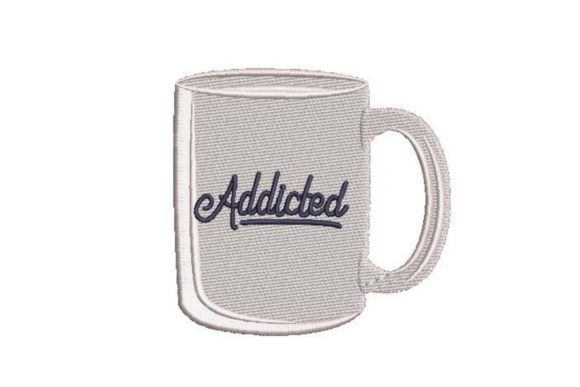
Reviewing the Addicted Coffee Mug Embroidery Design
As an embroidery designer who has spent years digitizing and reviewing files for small business clients, I have learned that not all designs are created equal. When a client approaches me with a request for branded merchandise, the first thing I look for is versatility. Does the design hold up on a cap? Does it look professional on an apron? Is it scalable for a patch? Recently, I had the opportunity to review the Addicted Coffee Mug machine embroidery design, and I want to share my professional perspective on how this asset performs in a commercial setting.
This review is tailored for small business owners, Etsy sellers, apparel decorators, and handmade brands looking to elevate their product offerings. Whether you run a local café, a boutique bakery, or a creative studio, understanding the technical and aesthetic potential of your digital embroidery file is crucial for maintaining brand consistency and quality.
First Impressions: Visual Personality and Brand Fit
The initial appeal of the Addicted Coffee Mug design lies in its thematic clarity. The description notes, "If you love your coffee in the morning, then stitch this beautiful embroidery on your kitchen decor, and have some company every morning." This suggests a design that is warm, inviting, and relatable. For businesses in the food and beverage sector, such as coffee shops or bakeries, this visual personality is gold. It feels friendly and approachable rather than overly corporate or sterile.
From a design standpoint, the motif likely leans towards a decorative or illustrative style, given its intended use in kitchen decor. However, for commercial embroidery, we must look beyond the home hobbyist context. Does it feel premium? Is it bold enough to be recognized from a distance? My assessment is that this design works best when positioned as a lifestyle element. It adds a touch of handmade charm to branded items, which is increasingly valuable in a market saturated with mass-produced goods. The "addicted" theme taps into a universal consumer habit, making it an excellent conversation starter on merchandise.
Real-World Applications for Small Business Merch
The true test of any embroidery file is its adaptability across different substrates. Here is how I envision the Addicted Coffee Mug performing in various commercial applications:
- Embroidered Patches: This is perhaps the strongest use case. By stitching the design onto twill or felt and cutting it out, you create a versatile asset. Cafés can sell these as collectibles, or businesses can iron them onto denim jackets and tote bags. Patches allow for high stitch density without worrying about fabric puckering, ensuring the details of the mug and any accompanying text remain crisp.
- Staff Uniforms and Aprons: For a coffee shop or boutique, staff appearance is part of the brand identity. Embroidering this design on the chest pocket of an apron adds a personalized touch. It signals to customers that the staff takes pride in their craft. However, placement is key; ensure the design is centered and proportional to the garment size.
- Cap Embroidery: Caps are high-margin items for retail. The curved surface of a cap front requires a design that is not too wide. If the Addicted Coffee Mug design has a compact horizontal footprint, it will work beautifully here. It serves as a subtle brand accent rather than a loud logo, appealing to customers who prefer understated merch.
- Tote Bag Design: Canvas tote bags are staples for eco-conscious brands. The texture of canvas provides a sturdy base for embroidery. This design can serve as a central focal point on a tote, turning a simple bag into a statement piece that customers will use daily, thereby increasing brand visibility.
Technical Considerations and Production Challenges
While the aesthetic appeal is strong, technical execution determines the quality of the finished product. As a designer, I advise caution in several areas when using this file for commercial embroidery.
Stitch Density and Fabric Texture: The description mentions "multiple embroidery f," which likely refers to multiple embroidery formats or thread colors. High stitch density can cause puckering on lightweight fabrics like standard t-shirts. If you plan to use this on thin materials, you must use a cut-away stabilizer to support the stitches. Conversely, on thick fabrics like towels or heavy canvas, the design should sit well, but you must ensure the needle penetrates cleanly without breaking threads.
Small Patch Sizes and Detail Loss: If you intend to scale this design down for a small label or a tiny chest logo, you must inspect the spacing. Fine details, such as steam lines or small text, may merge together if the design is reduced too much. Always run a test stitch-out at the smallest intended size before committing to a full production run. If the details become indistinguishable, consider simplifying the design or increasing the size.
Thread Color Contrast: The success of this design depends heavily on thread selection. Since it is a coffee-themed design, earthy tones like browns, creams, and blacks are natural choices. However, if you are stitching on dark uniforms, you need high-contrast thread colors to ensure visibility. Test the design in black and white first to check for value contrast. If the design relies solely on subtle shade variations, it may get lost on dark fabrics.
Enhancing Brand Identity and Customer Trust
Incorporating the Addicted Coffee Mug into your product line does more than just decorate an item; it strengthens your brand identity. Consistent use of themed embroidery across different touchpoints—aprons, packaging accents, and retail merch—creates a cohesive visual language. Customers associate this level of detail with quality and care.
For Etsy sellers and handmade brands, offering embroidered items adds perceived value. A printed mug is common; an embroidered patch or a stitched tote bag feels exclusive and artisanal. This differentiation can justify higher price points and foster deeper customer loyalty. Furthermore, using a recognizable and relatable motif like a coffee mug encourages social sharing. Customers are more likely to post photos of their new embroidered gear if the design is charming and well-executed, providing organic marketing for your business.
Practical Designer Notes for Implementation
Before you load this digital embroidery file into your machine for a large order, follow these practical steps to ensure professional results:
- Check Licensing: Confirm the commercial licensing terms included with the file. Ensure you have the right to use the design for physical products you intend to sell. Never assume a file is free for commercial use without explicit permission.
- Create a Printable Mockup: Use design software to place the artwork on a virtual mockup of your intended product. This helps you visualize scale and placement before wasting thread and fabric.
- Select the Right Hoop Size: Verify that the design fits within your available hoop size. If the design is larger than your hoop, you may need to split it or use a larger frame, which affects production time.
- Test on Real Fabric: Never skip the test stitch. Use the exact fabric and stabilizer combination you plan to use for production. Check for registration issues, thread breaks, or bobbin show-through.
- Compare with Other Design Assets: Place the embroidered sample next to your existing logos and branding materials. Does the style match? Is the color palette consistent? Visual consistency builds trust.
In conclusion, the Addicted Coffee Mug machine embroidery design offers significant potential for small businesses in the Kitchen and lifestyle sectors. Its strength lies in its relatability and versatility across patches, apparel, and accessories. By paying attention to technical details like stabilizer choice, thread contrast, and scaling, you can transform this digital asset into a high-quality physical product that enhances your brand and delights your customers. Always prioritize quality control and testing to ensure that every stitched item reflects the professionalism of your business.