Horse Drawn Carriage: A Designer’s Craft Fair Review
As an embroidery designer who has spent countless weekends behind a craft fair booth, I know that not every digital file translates into a bestseller. We often get caught up in the technical perfection of a machine embroidery design, forgetting the most important metric: does it stop a customer in their tracks? Today, I am reviewing the Horse Drawn Carriage design, evaluating it not just as a piece of art, but as a viable craft fair product for the modern handmade entrepreneur.
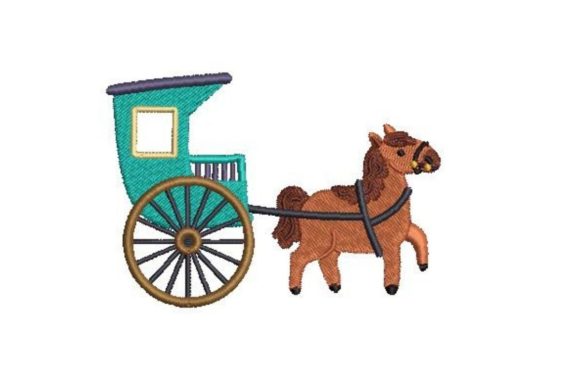
The first impression of this design is undeniably nostalgic and elegant. It carries a rustic charm that fits perfectly within the current farmhouse and cottagecore trends dominating the handmade market. When I look at the preview, I see a design that balances detail with clarity. For a seller, this is crucial. Customers walking past your booth have seconds to decide if your table interests them. A Horse Drawn Carriage motif immediately signals quality, tradition, and a love for classic aesthetics. It does not scream for attention with neon brightness; rather, it invites a closer look, which is exactly what you want for high-value handmade products.
Visual Appeal and Market Fit
In the category of Horses, this design stands out because it tells a story. It is not just an animal portrait; it is a scene. This narrative quality makes it incredibly versatile for various design assets in your shop. Whether you are targeting bridal showers, historical reenactment enthusiasts, or lovers of vintage decor, this motif bridges several niches. The intricate lines suggest a premium feel, allowing you to position your items at a higher price point than simple, blocky logos.
However, visual appeal must be balanced with practicality. The description notes that it is "carefully designed, with great details." In my experience, "great details" can be a double-edged sword. On a large surface, these details create a luxurious texture. On a small item, they can become a muddy mess. Therefore, understanding where this embroidery file shines is key to maximizing your return on investment.
Best Products for Maximum Impact
To truly leverage the Horse Drawn Carriage design, you must choose substrates that allow the stitching to breathe. Here is how I would deploy this design across a typical craft fair inventory:
- Tote Bags: This is arguably the best application. A canvas tote provides a large, flat surface where the carriage’s wheels and horse harnesses can be fully appreciated. As a tote bag design, it appeals to book lovers and market-goers who appreciate literary or historical vibes.
- Aprons: An apron embroidery featuring this motif creates an instant heirloom feel. Place the design on the bib or the lower skirt of a high-quality linen apron. It transforms a utility item into a decorative kitchen piece.
- Tea Towels: For tea towel embroidery, ensure the design is scaled correctly. Linen or waffle-weave towels work best. Avoid terry cloth, as the loops can obscure the fine details of the carriage spokes.
- Pillow Covers: A centered design on a neutral throw pillow adds a sophisticated touch to living room decor. This works well for customers looking for ready-to-gift home accents.
- Embroidered Patches: If the design holds up at a smaller scale, an embroidered patch allows customers to add the motif to their own jackets or bags. This is a low-cost entry point for hesitant buyers.
While caps and small pouches are popular, I would approach them with caution. Curved surfaces like cap fronts can distort complex linear designs. Unless the digitizer has specifically optimized the pull compensation for curved fabrics, the carriage might look warped. Stick to flat goods for the safest bet.
Production Realities and Technical Notes
Before you commit to batch production, you must address the technical realities of this digital embroidery file. The description mentions it comes in multiple formats, which is standard, but it does not specify stitch count or exact dimensions. As a professional, I advise you to check these details immediately. High stitch density can make fabric pucker, especially on lighter materials like cotton tea towels.
Here is my checklist for preparing this design for sale:
- Test on Scrap Fabric: Never skip this step. Stitch out the design on the exact fabric you plan to sell. Check for thread breaks and nesting.
- Stabilizer Selection: Given the likely detail in the carriage wheels and horse mane, use a cut-away stabilizer for stretchy fabrics and a tear-away for stable wovens. Proper stabilization ensures the finished product looks crisp, not wrinkled.
- Thread Contrast: Choose thread colors that contrast sufficiently with the fabric. A dark carriage on a navy bag will vanish. Use metallic or variegated threads sparingly; sometimes, solid traditional colors convey the vintage aesthetic better.
- Hoop Size Verification: Confirm the hoop size required. If it requires a 5x7 or 6x10 hoop, ensure your machine can handle it and factor that into your pricing strategy.
Another critical consideration is fabric texture. Textured towels or thick denim can hide tiny details. If the design includes small lettering or fine harness lines, these may get lost in heavy textures. Always inspect the stitched sample under good lighting to ensure clarity.
Selling Strategy for Etsy and Booths
For the Etsy seller or online boutique owner, photography is everything. This design needs to be photographed in natural light to show off the sheen of the threads. Create a printable mockup or, better yet, real-life lifestyle shots. Show the tote bag being held by someone in a field, or the apron worn while baking. Context sells the emotion associated with the Horse Drawn Carriage.
When listing this as a small shop product, emphasize the "handmade" and "custom" aspects. Buyers on platforms like Etsy are looking for uniqueness. Highlight that this is not mass-produced print, but textured, tactile commercial embroidery. Use keywords like "vintage horse decor," "farmhouse kitchen gift," and "classic carriage embroidery" to capture search traffic.
Furthermore, consider the licensing. The description implies it is for home decorations, but if you are selling finished goods, you must confirm commercial licensing rights with the designer. Never assume a digital embroidery file includes commercial use rights unless explicitly stated. Protecting your business legally is as important as the stitching itself.
Final Verdict
The Horse Drawn Carriage is a strong contender for any craft fair lineup focused on rustic, vintage, or equestrian themes. It offers high perceived value due to its intricate nature, allowing for healthy profit margins on items like tote bags and aprons. However, success depends on meticulous testing. You must manage stitch density, choose the right fabrics, and present the product in a way that highlights its elegance.
By treating this design with the respect it deserves—checking every loop, choosing premium threads, and marketing it with evocative imagery—you transform a simple embroidery pattern into a standout product. It is not just about stitching a horse; it is about selling a moment of timeless beauty. For the experienced maker willing to put in the prep work, this design has the potential to become a signature item in your collection.