December Logo: A Designer’s Review for Winter Embroidery
As a designer who spends more time staring at stitch simulations than actual fabric, I have developed a keen eye for what translates well from screen to needle. When I first loaded the December Logo into my editing software, I wasn’t just looking for a pretty picture. I was looking for structural integrity, visual balance, and commercial viability. In the world of machine embroidery design, aesthetics are only half the battle; the other half is engineering. This review breaks down how this specific Winter-themed asset performs in real-world applications, from boutique sweatshirts to high-volume Etsy listings.
First Impressions: Mood and Visual Personality
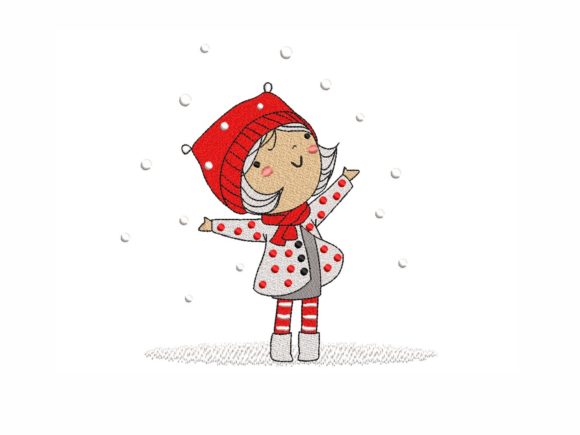
The immediate impression of the December Logo is one of cozy sophistication. It avoids the cluttered, overly complex traps that many seasonal designs fall into. Instead, it relies on clean lines and a balanced layout that suggests warmth without screaming "holiday chaos." For a designer, this restraint is crucial. It means the design can breathe on the fabric. The visual personality is versatile—it feels equally at home on a rustic linen tea towel as it does on a modern, minimalist tote bag. This adaptability is rare in niche seasonal Embroidery assets, making it a strong candidate for diverse product lines.
Real-World Application: The Sweatshirt Test
To truly evaluate a design, you must imagine it stitched out. I recently conceptualized a small batch of custom apparel for a local coffee shop’s holiday merchandise run. The goal was a premium look that justified a higher price point. I placed the December Logo on the left chest of a heavyweight cotton blend sweatshirt. The result was striking. Because the design does not rely on microscopic details, it maintained its clarity even on the textured surface of the fleece.
This is where many applique design or intricate digital files fail. They get lost in the pile of terry cloth or fleece. However, the December Logo holds its shape. The use of what appears to be a combination of satin stitch borders and strategic fill stitch areas creates a tactile depth that customers love to touch. For an Etsy seller or small shop product creator, this tactile quality increases perceived value. It transforms a simple garment into a personalized gift that feels bespoke rather than mass-produced.
Versatility Across Product Categories
Beyond apparel, I evaluated how this machine embroidery design would perform on other common substrates. Here is where the design shines for craft business owners looking to maximize their inventory:
- Tote Bags: On canvas, the design acts as a bold statement piece. The stitch density seems sufficient to cover the weave of standard canvas without causing puckering, provided the right stabilizer is used.
- Pillow Covers: For home decor, the logo works beautifully as a central focal point. It adds a seasonal touch to living room decor that doesn’t feel dated by January 1st.
- Embroidered Patches: If you are creating iron-on or velcro-backed patches, this design is ideal. Its self-contained shape means it can be cut closely around the edge, creating a professional-grade patch suitable for jackets or hats.
- Baby Items: With careful thread selection, this can be softened for baby embroidery. However, one must be cautious with stitch count on delicate fabrics like muslin or thin cotton onesies.
Technical Considerations and Potential Pitfalls
No design is perfect for every scenario. As an experienced reviewer, I must highlight where caution is needed. The December Logo requires thoughtful execution to avoid common embroidery disasters.
Fabric and Stabilizer Selection
Because this is a Winter themed design, you might be tempted to use it on heavy knits or thick wool blends. While possible, these fabrics require robust stabilization. I recommend using a cut-away stabilizer for garments that will be washed frequently, such as sweatshirt embroidery projects. For woven fabrics like aprons or kitchen towels, a tear-away may suffice, but always test first. The thread colors you choose will also dictate the success of the project. High contrast threads make the logo pop, but low-contrast, tonal threads offer a subtle, upscale look preferred in boutique branding.
Hoop Size and Placement
One critical factor is the hoop size. While the description mentions multiple file formats, you must verify the dimensions against your machine’s capabilities. If you attempt to shrink this design significantly to fit a small hoop on a cap or a baby sock, you risk losing detail. Tiny lettering or fine lines can merge when scaled down, turning crisp edges into a blob of thread. Always check the minimum recommended size in the file documentation. If you are working on curved surfaces like caps, ensure the design is centered perfectly to avoid distortion during stitching.
Density and Washability
Dense stitch areas can make fabric stiff. If you are producing custom apparel that needs to remain soft and flexible, consider adjusting the density if your software allows, or choose a lighter weight thread. For items like holiday embroidery gifts that may be heirlooms, durability is key. Ensure your tension is balanced to prevent looping or bird-nesting, which can unravel after repeated washing.
Commercial Viability for Makers and Sellers
For digital product sellers and creative entrepreneurs, the December Logo offers strong commercial potential. It fits neatly into the "cozy winter" aesthetic that dominates social media trends from November through February. Using this as a design asset for printable mockup previews can help boost engagement on Instagram or Pinterest.
When listing finished products, emphasize the quality of the stitch work. Buyers on platforms like Etsy are increasingly educated about embroidery. They appreciate clean backings, proper trimming, and professional presentation. This design lends itself to that level of professionalism. Whether you are selling finished product items or using it as part of a larger embroidery project collection, it maintains a consistent brand image of quality and care.
Practical Designer Notes for Best Results
Before you commit to a large production run, follow these steps to ensure success with the December Logo:
- Test on Scrap Fabric: Never stitch directly on your final garment. Use the same type of fabric and stabilizer you plan to use for the final product.
- Check Thread Contrast: View your design in black and white on your screen. If the details disappear in grayscale, they may get lost on certain fabric textures.
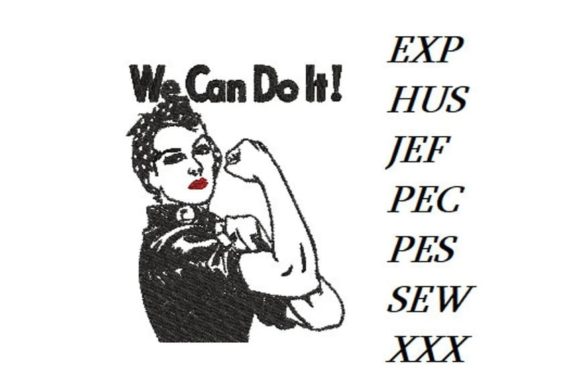
- Verify File Formats: The product description states it comes with multiple embroidery file formats. Confirm that your specific machine brand (Brother, Janome, Bernina, etc.) is supported before purchasing or downloading.
- Review Licensing: If you plan to sell items made with this design, confirm the license terms. Most commercial embroidery designs allow for physical sales but restrict the resale of the digital file itself.
- Inspect Small Details: Zoom in on the digitized view. Look for any unnecessary jump stitches or overlapping paths that could cause thread breaks.
Final Verdict
The December Logo is a solid addition to any winter-themed design library. It balances aesthetic appeal with practical stitchability. For handmade product creators, it offers a reliable way to produce high-quality holiday gifts and small business merchandise without the headache of overly complex digitizing issues. By respecting the technical requirements of fabric, stabilizer, and hoop size, you can leverage this design to create items that not only look beautiful but also stand up to the rigors of daily use. It is a tool that, when used correctly, enhances both the visual appeal and the commercial value of your embroidery project.