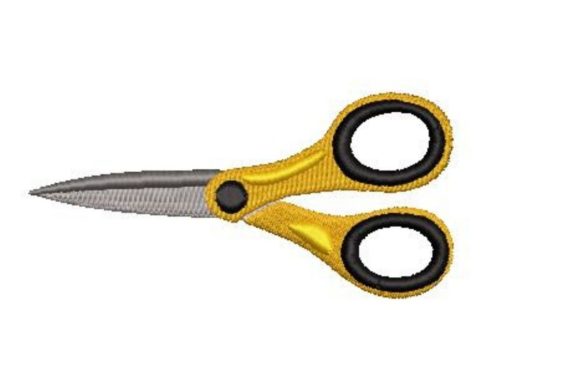
All Purpose Scissors: A Designer’s Review for Farm Embroidery
As an embroidery designer who has spent years digitizing and testing thousands of motifs, I have learned that the difference between a good design and a great one often lies in its versatility. When I first loaded the All Purpose Scissors machine embroidery design into my software, I was immediately struck by its clean lines and thematic clarity. This is not just a generic icon; it is a thoughtful piece of digital art tailored specifically for the farming community. For those of us creating assets for craft businesses, Etsy sellers, and boutique owners, finding designs that resonate with niche audiences like farmers is invaluable. This review breaks down how this design performs in real-world applications, from custom apparel to home decor.
First Impressions and Visual Personality
The mood created by the All Purpose Scissors design is one of rugged utility mixed with rustic charm. The shape is recognizable instantly, which is crucial for effective branding or gift-giving. In the world of embroidery, overly complex details can get lost in the thread, but this layout strikes a balance. The detail level is sufficient to convey the tool’s function without requiring excessive stitch density that might pucker delicate fabrics. Visually, it feels grounded and authentic. It does not try to be overly cute or abstract; instead, it respects the subject matter. This visual personality makes it a natural fit for projects that aim to celebrate agricultural life, homesteading, or the simple dignity of manual work.
Real-World Application: The Custom Tote Bag Test
To truly evaluate a design, you must imagine it on a finished product. I recently considered this motif for a custom embroidered tote bag intended for a local farmer’s market vendor. The client wanted something that would stand out on canvas but remain durable through weekly use. The All Purpose Scissors design proved to be an excellent candidate for this tote bag design application. Because the lines are distinct, the stitching remained clear even on the textured surface of heavy cotton canvas.
When I visualized the sweatshirt embroidery version, the design held up equally well. Placed on the left chest of a hoodie, it acts as a subtle badge of identity. For baby embroidery projects, such as a bib or a onesie for a farm-family newborn, the design can be scaled down effectively, provided the stitch density is adjusted to keep the fabric soft. This adaptability is what makes it a strong asset for any small shop product line.
Fabric Considerations and Stitching Performance
One of the most critical aspects of reviewing a digital embroidery file is understanding how it interacts with different materials. The All Purpose Scissors design relies on a combination of satin stitch borders and fill stitch interiors to create depth. On stable fabrics like denim, twill, or heavy cotton, these stitches lay flat and look professional. However, caution is needed when working with stretchy fabric or thin material. Without proper stabilization, the tension from the fill areas could cause puckering.
I always advise testing the design on scrap fabric first. This is non-negotiable for professional results. When stitching on dark fabric, ensure your thread colors offer high contrast. A metallic gold or bright silver thread against navy blue or black creates a striking effect that highlights the scissors' silhouette. Conversely, on light-colored tea towels or aprons, earthy tones like olive green, rust, or slate gray maintain that authentic farm aesthetic. Remember that curved surfaces, such as caps or hats, require careful hooping. The design’s horizontal orientation works well on the front panel of a cap, but you must check the width against your hoop size to avoid edge hits.
Commercial Value and Brand Consistency
For Etsy sellers and creative entrepreneurs, the commercial value of a design lies in its ability to enhance brand consistency. The All Purpose Scissors motif is versatile enough to be used across a range of personalized gifts. Imagine a set of kitchen towels for a housewarming gift, or a patch for a gardener’s apron. These items sell because they feel thoughtful and specific. Using a high-quality machine embroidery design signals professionalism to buyers. It shows that you care about the clarity and durability of your handmade product.
Furthermore, this design supports holiday embroidery themes, particularly around harvest festivals or Father’s Day. It fits seamlessly into collections focused on rural life or DIY culture. When you use consistent, high-quality design assets, you build trust with your customers. They begin to recognize your style, which leads to repeat business. Whether you are selling physical items or offering custom apparel services, this design adds a layer of authenticity that generic clipart simply cannot match.
Technical Notes for Designers
Before you begin stitching, there are several practical steps to ensure success. First, confirm the hoop size required for the specific version of the file you are using. Since the product description mentions multiple embroidery file formats, you likely have options for different machine hoops. Always select the format that matches your machine’s capabilities to avoid resizing errors, which can distort stitch angles.
- Check Thread Color Contrast: Ensure the thread stands out against the fabric texture. Low contrast can make the design look muddy from a distance.
- Review Stitch Density: If the design feels too stiff on lightweight fabric, consider reducing the density in your editing software if you have the skills, or choose a lighter stabilizer.
- Inspect Small Details: Zoom in on the preview. Look for any tiny running stitch elements that might break or pull out during washing.
- Test on Scrap Fabric: Never skip this step. It saves time, thread, and frustration.
- Verify Licensing: Before selling finished products or using this in commercial embroidery projects, confirm the license terms provided with the digital embroidery file.
Where to Use Caution
While the All Purpose Scissors design is robust, it is not suitable for every scenario. Avoid using it on highly textured fabrics like loose knits or terry cloth without a strong cut-away stabilizer, as the details may get lost in the pile. Additionally, be mindful of layered garments. If you are embroidering over a seam or a pocket, the needle may deflect, causing uneven stitches. For items that require frequent washing, such as baby clothes or kitchen linens, ensure you use high-quality polyester thread that resists fading and breaking. The longevity of your finished product depends on these technical choices.
Final Verdict
In conclusion, the All Purpose Scissors embroidery design is a solid addition to any designer’s library, particularly for those serving the farming and rural markets. It offers a blend of aesthetic appeal and practical functionality. It works well on sturdy fabrics, translates nicely to various products like tote bags and sweatshirts, and carries a visual weight that commands attention without being overwhelming. For the handmade shop owner or the hobbyist looking to add an original touch to their projects, this design delivers. Just remember to respect the technical requirements of embroidery—proper stabilizer, correct thread tension, and thoughtful fabric selection—and you will produce a polished, professional result that your customers will appreciate.