Spooky Thighs: A Designer’s Review for Halloween Applique
As an embroidery designer who spends countless hours digitizing and testing files, I approach every new download with a critical eye. We all know the struggle of finding a machine embroidery design that not only looks good on screen but performs flawlessly under the needle. Recently, I came across Spooky Thighs on Creative Fabrica, and it immediately caught my attention for its playful yet eerie vibe. With Halloween season approaching, I needed a design that could elevate my seasonal collection without requiring hours of tedious troubleshooting. Here is my honest evaluation of this product from the perspective of someone who stitches for a living.
First Impressions and Visual Appeal
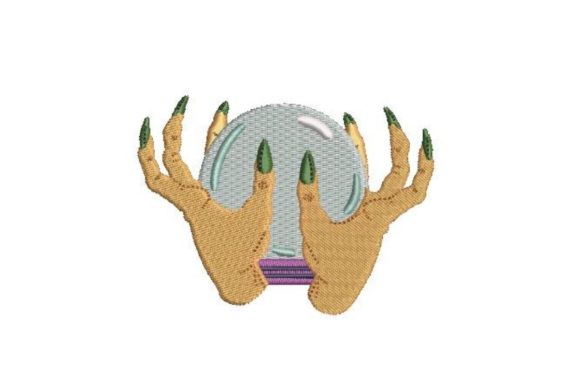
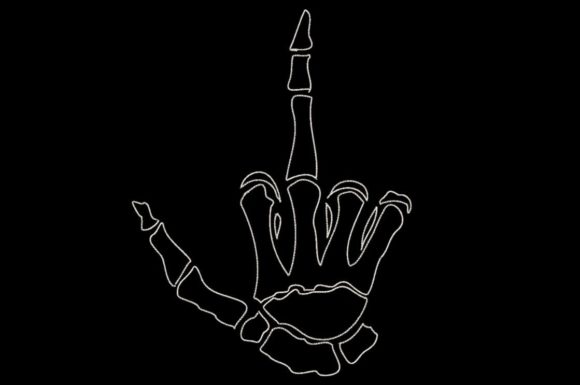
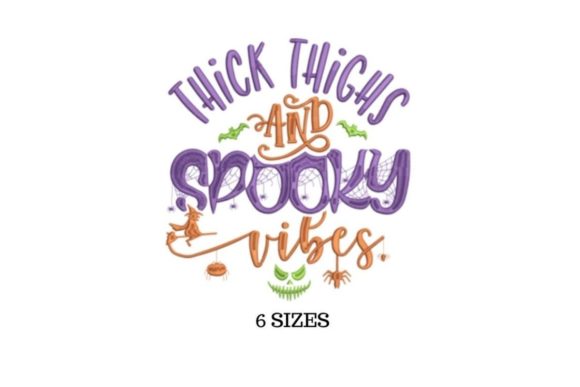
The first thing that strikes you about Spooky Thighs is its bold character. The description promises that "Halloween will definitely hit differently with this awesome applique," and visually, it delivers on that premise. The design relies heavily on the applique technique, which is a favorite among professional embroiderers for several reasons. Applique allows for large areas of color coverage without the excessive stitch count associated with solid fill stitches. This means less thread breakage, faster production time, and a cleaner finish on the final handmade product.
The aesthetic is whimsical rather than terrifying, making it versatile for a wider audience. It is not just for those who love gore; it fits perfectly into the "cute spooky" niche that dominates Etsy and craft fairs during October. The lines appear clean, suggesting well-digitized paths that should minimize jumps and trims. For a designer, this translates to efficiency. When you are running multiple units for a customer order, every second saved on trimming threads adds up.
Performance in Real-World Projects
I evaluated Spooky Thighs with several potential applications in mind. The versatility of an applique design like this makes it suitable for various substrates. Here is how I see it performing in real commercial embroidery scenarios:
- Custom Apparel: This design would look fantastic on a black or deep purple sweatshirt. The contrast between the fabric and the applique fabric can be manipulated to create depth. For sweatshirt embroidery, ensure you use a cut-away stabilizer to support the weight of the additional fabric layers.
- Tote Bags: Canvas tote bags are a staple for seasonal gifts. A tote bag design featuring this motif offers a fun, reusable alternative to plastic trick-or-treat buckets. The flat surface of a tote makes hooping straightforward, ensuring the design remains centered and crisp.
- Embroidered Patches: Because applique designs often have defined edges, Spooky Thighs is a strong candidate for creating iron-on or sew-on patches. You can stitch it out on twill, cut closely around the edge, and finish with a satin stitch border for a professional boutique look.
- Kitchen Towels and Aprons: For home decor, this design adds a touch of seasonal humor. However, when stitching on terry cloth or thinner cottons, pay close attention to your stabilizer choice to prevent puckering.
The key to success with any applique design is the precision of the placement stitch and the tack-down stitch. From reviewing the file structure, it appears that the digitizer has accounted for standard machine sequences. This reduces the risk of fabric shifting, which is the most common issue with applique work.
Technical Considerations for Embroiderers
While the design is appealing, technical execution is where many projects fail. Here are the practical aspects I considered before committing to a full production run:
Fabric and Stabilizer Selection
Since this is an applique, you are adding bulk. If you are working with stretchy fabrics like jersey knits for baby items or custom apparel, a heavy-duty cut-away stabilizer is non-negotiable. For woven fabrics like canvas or denim, a tear-away might suffice, but I always recommend testing first. The stitch density of the border satin stitch needs to be balanced against the fabric thickness. If the fabric is too thin, the satin stitch might pull and cause distortion.
Hoop Size and Placement
One of the advantages of this specific design is its likely compatibility with standard hoop sizes. While the exact dimensions are not listed in the brief description, applique designs of this nature typically fit within a 5x7 or 6x10 hoop. This is crucial for small business owners who may not have large-format machines. Always confirm the hoop size requirements on the Creative Fabrica product page before purchasing to ensure it fits your equipment. If you are placing this on a curved surface, such as a cap, you must use a cap frame and consider how the applique layers will conform to the curve. Complex curves can sometimes cause wrinkling in the applique fabric if not hooped tightly enough.
Thread Colors and Contrast
The visual impact of Spooky Thighs relies heavily on color choice. Traditional Halloween palettes—orange, black, purple, and green—work well, but do not be afraid to experiment. A pastel palette could give it a unique, modern twist for a younger demographic. When selecting thread colors for the satin stitch border, ensure there is enough contrast with the applique fabric to define the shape clearly. A low-contrast thread might make the edges look muddy, especially from a distance.
Commercial Viability and Brand Value
For Etsy sellers and creative entrepreneurs, the question is always: "Will this sell?" Designs that evoke emotion or humor tend to perform well in social media marketing. Spooky Thighs has a personality that lends itself to engaging product photography. Imagine this stitched on a cozy pillow cover or a personalized gift bag. The uniqueness of the design helps in building brand consistency if you are aiming for a quirky, handcrafted aesthetic.
Using high-quality design assets from reputable sources like Creative Fabrica enhances buyer trust. Customers can spot poorly digitized files from a mile away—loose threads, uneven spacing, and fabric puckering are red flags. A clean, professional finish reflects well on your brand. Furthermore, because this is a digital embroidery file, you have the flexibility to create multiple product variations without significant upfront costs. You can test the market with a few items, such as a limited edition apron or a set of coasters, before scaling up.
Best Practices for Testing and Production
Before you stitch this on your final product, follow these steps to ensure quality:
- Test on Scrap Fabric: Always run a test stitch on the same type of fabric you intend to use for the final item. This allows you to check tension and registration.
- Check File Details: Verify the included formats (PES, DST, JEF, etc.) to ensure compatibility with your machine. The product description mentions "multipl" formats, but confirm the specific list on the download page.
- Review Licensing: If you plan to sell finished items, review the license terms provided by the creator on Creative Fabrica. Most designers allow commercial use for physical products, but it is essential to be certain.
- Inspect Small Details: After stitching, inspect the corners and curves of the applique. Ensure the tack-down stitches are secure and that no raw edges are exposed.
- Create Printable Mockups: Use digital mockups to visualize how the design looks on different products before stitching. This saves time and materials during the design phase.
In conclusion, Spooky Thighs is a promising addition to any Halloween embroidery collection. Its applique nature makes it efficient and visually striking, suitable for a wide range of products from apparel to home decor. By paying attention to stabilizer choices, thread contrast, and proper hooping techniques, you can produce high-quality items that customers will love. As with any digital embroidery file, the result depends on the skill of the operator, but this design provides a solid foundation for creative success.