Sheep with Wool: A Designer’s Review for Real Projects
As an embroidery designer who spends countless hours digitizing and testing machine embroidery designs, I have learned that not every digital file translates well to physical fabric. When browsing Creative Fabrica embroidery collections, I look for designs that offer both aesthetic charm and technical reliability. Recently, I evaluated the Sheep with Wool design to determine if it meets the standards required for commercial use and high-quality handmade products. This review breaks down the visual appeal, practical application, and technical considerations of this farm animal-themed motif.
First Impressions and Visual Appeal
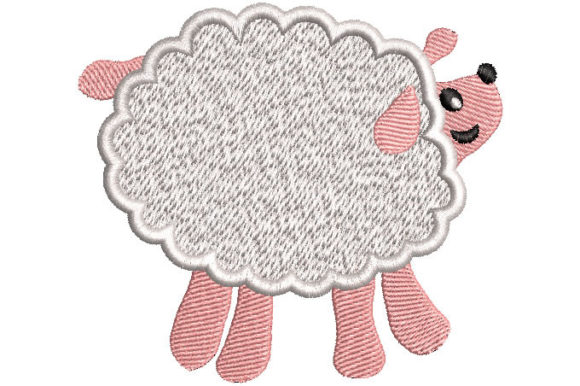
The initial draw of Sheep with Wool is its whimsical yet clean aesthetic. In a market saturated with overly complex or poorly digitized animal motifs, this design stands out for its balanced composition. The visual mood is gentle and inviting, making it an excellent candidate for projects targeting families, children, or those who appreciate rustic, cottage-core styles. The depiction of the sheep focuses on the texture of the wool, which suggests a thoughtful approach to stitch placement.
For embroidery designers and crafters, the detail level is crucial. This design avoids excessive micro-detailing that often leads to thread breaks or bird-nesting on home machines. Instead, it utilizes a combination of stitches that create depth without overwhelming the fabric. The decorative appeal lies in its simplicity; it is distinct enough to be recognizable from a distance but detailed enough to hold interest up close. This balance is essential for versatile applications, ranging from small embroidered patches to larger tote bag designs.
Practical Applications for Handmade Businesses
When considering a new digital embroidery file for my shop, I immediately brainstorm potential products. The Sheep with Wool design is remarkably versatile across various substrates. Here is how I envision using this asset in real-world scenarios:
- Custom Apparel: The design works beautifully on sweatshirt embroidery, particularly on crewnecks or hoodies where a central chest placement creates a focal point. It also suits custom apparel like children’s t-shirts, adding a playful touch that parents love.
- Home Decor and Kitchen Textiles: Imagine this motif stitched onto aprons for a farmhouse kitchen aesthetic or embroidered on pillow covers for nursery decor. The neutral subject matter fits seamlessly into seasonal handmade gift collections.
- Accessories and Bags: As a tote bag design, it adds character to canvas bags. For smaller items, it serves as an excellent embroidered patch that can be ironed or sewn onto caps and denim jackets.
- Etsy and Craft Fair Products: For Etsy sellers and boutique merchandise creators, this design offers high perceived value. It photographs well for printable mockups and enhances the visual appeal of product listings, potentially boosting customer engagement.
The versatility of Sheep with Wool allows it to fit into multiple niches within the Farm Animals category. Whether you are creating personalized gifts for baby showers or stocking up on spring-themed inventory, this design provides a solid foundation for diverse product lines.
Technical Considerations for Stitching Success
While the visual design is appealing, the true test of any machine embroidery design lies in its execution. Based on the description stating that the design comes with multiple embroidery options, it is vital to approach the stitching process with careful preparation. Here are the technical aspects I prioritize when testing such files:
Fabric and Stabilizer Selection
The product description notes that this design is beautiful when embroidered on any type of fabric. However, experienced embroiderers know that fabric choice dictates success. For stretchy fabrics like jersey knits used in t-shirts, a cut-away stabilizer is non-negotiable to prevent distortion. For woven fabrics like cotton tote bags or kitchen towels, a tear-away stabilizer may suffice, provided the stitch density is not too high.
If you are working with textured fabric, such as terry cloth towels or fleece blankets, consider using a water-soluble topping. This prevents the stitches from sinking into the pile, ensuring the details of the sheep’s wool remain crisp and visible. For dark fabric, pay close attention to thread colors. High-contrast threads will make the design pop, while tonal threads offer a subtle, sophisticated look.
Hoop Size and Placement
Before loading the file, confirm the hoop size required for the specific version of the design you intend to use. Since the product includes multiple embroidery variations, some may fit in a 4x4 inch hoop, while others might require a 5x7 or larger frame. Curved cap surfaces present a unique challenge; if applying this design to hats, ensure you are using a cap frame and appropriate backing to maintain shape. Always check the dimensions against your intended product area to avoid awkward cropping or insufficient border space.
Stitch Density and Thread Management
Dense stitch areas can cause puckering, especially on lightweight fabrics. Review the stitch density in your embroidery software if possible, or run a test stitch-out on scrap fabric identical to your final material. This step is critical for commercial embroidery projects where consistency is key. Inspect small details after stitching to ensure that running stitch outlines are secure and that fill stitches are smooth. Adjusting tension settings may be necessary to achieve the best results, particularly when switching between thread types.
Enhancing Product Value and Brand Consistency
Incorporating high-quality assets like Sheep with Wool into your product lineup does more than just fill space; it enhances brand consistency and buyer trust. A well-executed embroidery project signals professionalism. When customers receive a finished product with clean stitches, proper stabilization, and thoughtful design placement, they are more likely to leave positive reviews and return for future purchases.
For creative entrepreneurs, the visual appeal of the design directly impacts photography. A charming sheep motif on a neutral-toned baby blanket or a rustic apron creates an emotional connection with potential buyers. This "giftability" factor is crucial for seasonal sales. Furthermore, using reliable design assets reduces the time spent troubleshooting stitching errors, allowing you to focus on marketing and customer service.
Final Verdict and Best Practices
The Sheep with Wool embroidery design offers a compelling blend of charm and practicality for embroidery designers and small business owners. Its adaptability across various products—from sweatshirts to patches—makes it a valuable addition to any digital library. However, success depends on diligent preparation.
Before committing to a large production run, always test on scrap fabric. Check thread color contrast against your chosen material, and verify that the hoop size matches your equipment. Confirm file details and licensing terms on the Creative Fabrica product page to ensure compliance for selling finished items. By respecting the technical requirements of machine embroidery and leveraging the aesthetic strengths of this design, you can create standout handmade products that resonate with customers.
Whether you are decorating apparel, creating home goods, or expanding your Etsy shop, Sheep with Wool provides a solid foundation for creative expression. Treat each project with care, prioritize quality control, and let this design add a touch of pastoral warmth to your commercial embroidery portfolio.